About the oil paints

Customised oil paint by numbers

Why use oil paints?

It's super important to me that the paints are high quality artist oils. They flow smoothly but you can create wonderful 'painterly' textures. I decided to use more expensive oils in my kits as they have such different texture to the flat acrylics in normal paint by numbers kits. They are easy to blend too.

What's actually in the oil paints?

Just Three Ingredients.

When people think of oil paint, they often picture something complicated — a chemistry set of solvents, thinners, and mystery additives. Mine are not that.

Vegetable oil

This is the binder — the thing that holds everything together and lets the paint spread smoothly. It's the same basic principle artists have used for centuries: pigment suspended in a drying oil, which slowly hardens as it's exposed to air. It makes up roughly half of every tube.

Calcium carbonate - Chalk!

A simple, inert mineral filler. It gives the paint body and consistency without adding any colour of its own — it's the same substance found in chalk and limestone.

Pigment

This is where the colour comes from. Every shade in your kit — from Titanium White to Prussian Blue to Burnt Umber — gets its colour from a specific pigment blended into the oil-and-filler base. Different colours use different pigments, but the basic formula stays the same.

That means:

It's not flammable. There's nothing volatile in the mixture to catch or evaporate.

There's no solvent smell to worry about. The strong "paint thinner" odour some people associate with oil painting comes from a separate product (used for cleanup or thinning) — not from the paint itself.

It's straightforward to work with. No special ventilation or handling beyond ordinary care with any craft paint.

What's not in there!

No solvents. No added alcohol. No thinners. Just oil, filler, and pigment, mixed to a workable paste and packed into the tube.

Why this matters

I know a lot of people are trying oil painting for the first time through a kit like this, and it's natural to wonder what you're actually putting on your brush. The honest answer is: not much. Oil, chalk, and colour. That's it.

It's part of why I love working with this medium — it's simple by nature, even if the results don't look simple at all.

Frequently asked questions

Is the oil paint flammable?


No. With no solvents in the mixture, there's nothing volatile to catch or ignite. The paint itself is not flammable.

Does it contain any solvents or alcohol?

No. The tubes contain just vegetable oil, calcium carbonate, and pigment — no added solvents, thinners, or alcohol.

Will it smell strongly?


No. The strong "paint thinner" smell some people associate with oil painting comes from a separate solvent product used for cleanup — not from the paint itself. Straight from the tube, it has very little odour.

Is it safe to ship internationally?


Yes. Because there's no solvent or alcohol content, the paint doesn't carry the same shipping restrictions as solvent-based products, so it can travel to most destinations without issue.

Is it safe for children to use?


The paint contains no solvents and isn't flammable, so it's a gentler formula than many art materials. As with any paint, adult supervision is still recommended for young children, and it shouldn't be ingested. Having said this I don't recomend my painting kits for children as they are highly detailed.

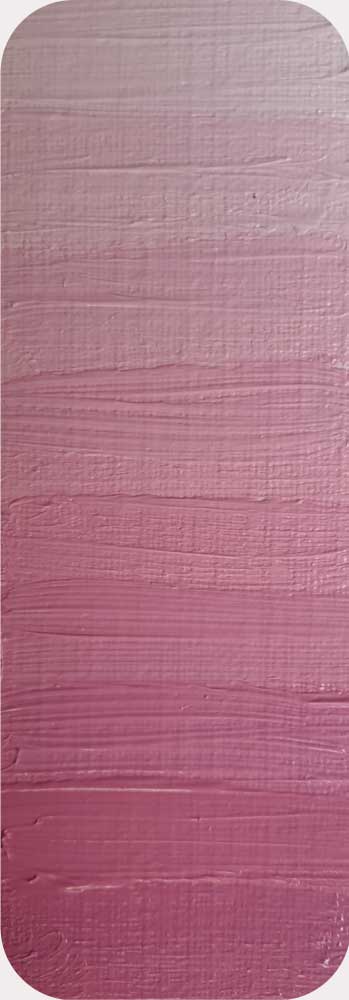
range of pinks from light to dark hand painted in oils prepared for a paint by numbers kit

Texture

Take a look a the wonderful texture of my artists oil paints. I enjoyed mixing this subtle range of pinks for a lovely photo of a child in a pink ballet dress. It will make a delightful paint by numbers. 
I have about 120 oil paint colours that I mix in batches but often to really get the colours right I mix bespoke shades too. If your kit contains tubes that have an *asterix on the paint code this means that the colour is unique and specially mixed for your photo.
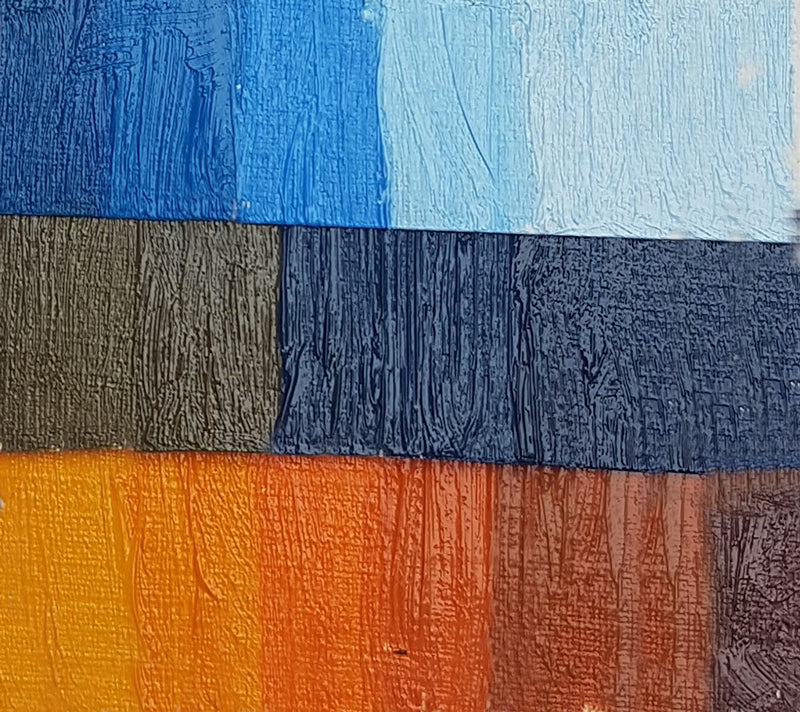
colours mixed in oil paints for paint by numbers of kingfisher

Colour

Traditional oil paints names are so evocative. Cerulean blue, vermillion, burnt umber, cobalt and burnt sienna are just some of the wonderfully named paints I used to create the colours for a painting of a Kingfisher. My paints don't fade or discolour over time.